
บทคัดย่อ ในด้านการผลิตสารเคมีเฉพาะทางปิโตรเลียม การแยกด้วยการกลั่นของวัสดุที่ไม่ใช่น้ำมัน (เช่น ตัวทำละลายอินทรีย์ สารเคมีพิเศษ สารตัวกลางละเอียด ฯลฯ) เป็นขั้นตอนกระบวนการสำคัญ โดยการผสานลักษณะเฉพาะของอุปกรณ์...
แชร์
ภาพย่อ
ในด้านการผลิตของสารเคมีปิโตรเคมีระดับฟายน์ การแยกกลั่นของวัสดานอกน้ำมัน (เช่น ตัวทำละลายอินทรีย์ เคมีพิเศษ สารตัวกลางระดับฟายน์ ฯลฯ) เป็นกระบวนการสำคัญ ด้วยการรวมคุณลักษณะของอุปกรณ์ต่างๆ เช่น คอลั่งแบบถาด คอลั่งแบบบรรจุ และเครื่องระเหยแบบฟิล์มบาง บทความนี้วิเคราะห์อย่างเป็นระบบเกี่ยวกับสถานการณ์การประยุกต์ใช้ หลักการคัดเลือกอุปกรณ์ และการปฏิบัติทางวิศวกรรมของเทคโนโลยีการกลั่นที่แตกต่างในกระบวนการจัดการวัสดานอกน้ำมัน เพื่อให้เป็นข้อมูลอ้างอิงทางเทคนิคสำหรับกิจการปิโตรเคมี
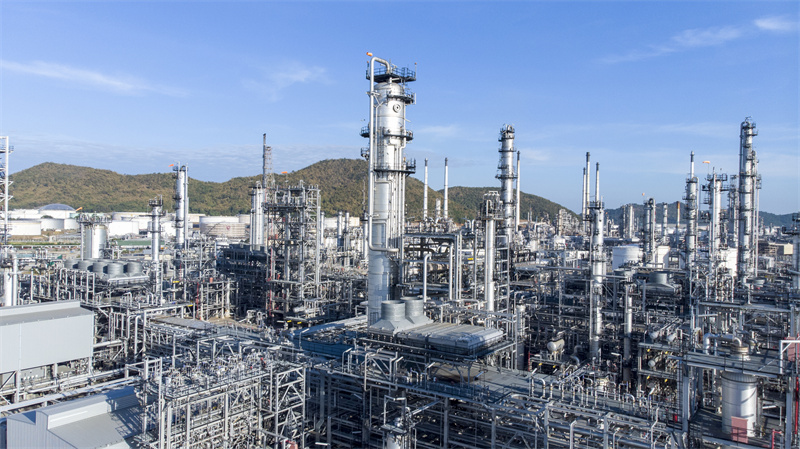
วัสดานอกน้ำมันในอุตสาหกรรมปิโตรเคมีมักมีคุณลักษณะดังต่อไปนี้:
- ความไวต่ออุณหภูมิ: สารเคมีชนิดละเอียด เช่น ออกไซด์เอพอกซี และโมโนเมอร์ออร์แกนโนซิลิคอน มีแนวโน้มที่จะสลายตัว พอลิเมอไรเซชัน หรือเปลี่ยนสีที่อุณหภูมิสูง จึงจำเป็นต้องใช้อุณหภูมิกลั่นต่ำและเวลาอยู่ในระบบสั้น
- ช่วงความหนืดกว้าง: ความหนืดสามารถเปลี่ยนแปลงได้หลายร้อยเท่า ตั้งแต่ตัวทำละลายที่มีความหนืดต่ำ (เช่น เมทานอลและเอทิลอะซิเตต) ไปจนถึงสารกึ่งผลิตภัณฑ์พอลิเมอร์ที่มีความหนืดสูง (เช่น พอลิอีเธอร์โพลีออล)
- จุดเดือดใกล้เคียงกัน: การแยกไอโซเมอร์ (เช่น p-xylene/o-xylene) และการแยกสารผสมเดือดคงที่ ต้องใช้อุปกรณ์ถ่ายโอนมวลที่มีประสิทธิภาพสูง พร้อมข้อกำหนดสูงต่อจำนวนจานทฤษฎี
- กัดกร่อนอย่างมาก: สารประกอบกรดอินทรีย์ ไฮโดรคาร์บอนฮาโลเจน และวัสดุอื่นๆ มีข้อกำหนดเข้มงวดต่อวัสดุอุปกรณ์ จำเป็นต้องเลือกวัสดุทนต่อการกัดกร่อน หรือใช้เคลือบพิเศษ
- ความบริสุทธิ์ของผลิตภัณฑ์สูง: เคมีภัณฑ์ระดับอิเล็กทรอนิกส์และตัวกลางทางเภสัชมักต้องการความบริสุทธิ์อย่างน้อย 99.5% หรือแม้กระทั่งสูงกว่า 99.9%
- ความไวต่อผลตอบแทน: ผลิตภัณฑ์ที่มีมูลค่าเพิ่มสูงมีความไวต่อการสูญเสียวัตถุดิบอย่างมาก โดยทุกการเพิ่มผลตอบแทน 1% สามารถนำมาเพิ่มประโยชน์ทางเศรษฐกิอย่างมีนัยสำคัญ
- การควบคุมการใช้พลังงาน: การกลั่นเป็นกระบวนการหน่วยที่ใช้พลังงานสูง ซึ่งการใช้พลังงานอาจคิดสัดส่วน 30-50% ของต้นทุนการผลิตรวม การประหยัดพลังงานและการลดการบริโภนพลังงานเป็นความต้องการหลัก
- ความสอดคล้องกับสิ่งแวดล้อม: ข้อกำหนดในการควบคุมการปล่อย VOCs และการลดของของเหลวเสียยิ่งเข้มงวดขึ้น
2.1.1 ข้อได้เปรียบหลัก
- ความยืดหยุ่นในการดำเนินงานสูง: คอลัมภ์แบบถาดมีข้อจำก่อนจากการท่วมและการหยดของของเหลว แต้คอลัมภ์ที่ได้ออกแบบดีจะมีช่วงการปรับโหลดอยู่ที่ 30%-110% ซึ่งสามารถปรับตัวต่อการผันผวนในการผลิต
- ความสามารถในการปรับตัวได้ดีในอัตราส่วนของเหลวต่อก๊าซต่ำ: เมื่ออัตราส่วนของเหลวต่อก๊าซ < 0.5 คอลัมน์แบบมีสารบรรจุจะมีประสิทธิภาพลดลงอย่างมากเนื่องจากการเปียกชื้นที่ไม่ดี ในขณะที่คอลัมน์แบบแผ่นรองรับยังสามารถคงประสิทธิภาพการถ่ายโอนมวลไว้อย่างมั่นคง
- การบำรุงรักษาง่าย: แผ่นรองรับสามารถถอดแยกเพื่อตรวจสอบและซ่อมแซมได้ ส่งผลให้ระบบต้นทุนการบำรุงรักษาต่ำสำหรับระบบที่ต้องการทำความสะอาดคราบเกลือและพอลิเมอร์เป็นประจำ
- เศรษฐกิจสำหรับเส้นผ่านศูนย์กลางขนาดใหญ่: เมื่อเส้นผ่านศูนย์กลางของคอลัมน์ > 800 มม. ต้นทุนของคอลัมน์แบบแผ่นรองรับมักจะต่ำกว่าคอลัมน์แบบมีสารบรรจุประมาณ 15-25%
2.1.2 การประยุกต์ใช้งานทั่วไป
- การแยกสารอะโรมาติก: การกลั่นเบนซีน-โทลูอีน-ไซลีนโดยใช้แผ่นวาล์วลอยตัวหรือแผ่นตะแกรง โดยมีเส้นผ่านศูนย์กลางคอลัมน์ 1.5-3.5 เมตร และจำนวนจานทฤษฎี 40-80 แผ่น
- การกู้คืนไฮโดรคาร์บอนที่มีคลอรีนจากของเสียจากกระบวนการคลอร์-อัลคาไล: การบำบัดระบบอินทรีย์ที่มี HCl โดยใช้แผ่นทำจากฮาสเตลลอยหรือแผ่นเคลือบ PTFE ทำงานภายใต้ความดัน 0.2-0.5 MPa
- การถ่ายน้ำออกจากตัวทำละลาย: การถ่ายน้ำและการกลั่นไอโซโพรพานอลและเอทานอลโดยใช้กระบวนการกลั่นแบบอะซิโอทรอปิก ขนาดเส้นผ่านศูนย์กลางคอลัมน์ 0.8-2.0 เมตร
2.1.3 จุดสำคัญในการออกแบบ
- การเลือกถาด:
- ถาดตะแกรง (Sieve trays): มีโครงสร้างเรียบง่าย ต้นทุนต่ำ เหมาะสำหรับระบบที่สะอาด
- ถาดวาล์วลอย (Float valve trays): มีความยืดหยุ่นในการทำงานสูงสุด และมีสมรรถนะการต้านการอุดตันได้ดี
- ถาดบับเบิลแคป (Bubble cap trays): อัตราการไหลต่ำแต่มีประสิทธิภาพสูง เหมาะสำหรับอัตราส่วนของเหลวต่อแก๊สต่ำ
- ระยะห่างระหว่างถาด: โดยทั่วไป 450-600 มม.; ลดลงเหลือ 350 มม. สำหรับคอลัมน์ที่มีภาระงานสูง และเพิ่มเป็น 600-800 มม. สำหรับคอลัมน์สุญญากาศ
- ระบบฝายและท่อส่งลง: ใช้ท่อส่งลงแบบโค้ง โดยพื้นที่ของท่อส่งลงคิดเป็น 12-15% ของพื้นที่หน้าตัดของคอลัมน์ เพื่อให้มั่นใจได้ว่าของเหลวจะอยู่ในคอลัมน์เป็นเวลา 3-7 วินาที
2.2.1 ข้อได้เปรียบหลัก
- ความตกต่ำของแรงดันต่ำมาก: การตกต่ำของแรงดันต่อจานทฤษฎีเพียง 0.01-0.3 กิโลปาสกาล ซึ่งเป็นเพียง 1/5 ของคอลัมน์แบบถาด ทำให้เหมาะอย่างยิ่งสำหรับการกลั่นสุญญากาศและวัสดุที่ไวต่อความร้อน
- ประสิทธิภาพการแยกสูง: ชั้นบรรจุแบบมีโครงสร้าง (เช่น ชั้นบรรจุแบบร่องและชั้นบรรจุแบบตาข่าย) มีค่า HETP เท่ากับ 0.15-0.5 เมตร ซึ่งดีกว่าคอลัมน์แบบถาดที่มีค่า 0.5-1.0 เมตร อย่างมาก
- ความสามารถในการผ่านได้สูง: ช่องว่างในชั้นบรรจุมีมากกว่า 90% และความเร็วของก๊าซสามารถสูงถึง 1.5-2 เท่าของคอลัมน์แบบถาด ทำให้เพิ่มความสามารถในการประมวลผลต่อพื้นที่หน้าตัดหนึ่งหน่วยได้ 30-50%
- ทนต่อการกัดกร่อนได้ดี: สามารถเลือกใช้ชั้นบรรจุที่ไม่ใช่โลหะ เช่น เซรามิกส์ กราไฟต์ และ PTFE ซึ่งเหมาะสำหรับระบบที่มีฤทธิ์กัดกร่อนสูง
2.2.2 การประยุกต์ใช้งานทั่วไป
- การกลั่นสุญญากาศ:
- สารอินทรีย์ที่ไวต่อความร้อน (เช่น สารตัวกลางของวิตามิน) ที่มีแรงดันสุญญากาศ 1-10 กิโลปาสกาล โดยใช้ชั้นบรรจุแบบมีโครงสร้างที่ทำจากโลหะ
- สารประกอบที่มีจุดเดือดสูง (เช่น ตัวทำพลาสติก DOP) ภายใต้สุญญากาศต่ำกว่า 1 กิโลปาสคาล ใช้การเลือกเติมวัสดุแบบลวดตาข่ายเป็นร่อง
- ระบบกัดกร่อน:
- การทำบริสุทธิ์ออร์แกโนคลอโรซิลิแอน: ใช้เติมวัสดุแบบเซรามิกราชิกริงหรือเซรามิกแซดเดิล
- วัสดุที่มีเมอร์แคปเทน: เลือกเติมวัสดุแบบกราไฟต์หรือโลหะเคลือบพีทีเอฟอี
- การแยกละเอียด:
- การแยกไอโซเมอร์ (พี/โอ/เอ็ม-ไซลีน): ใช้เติมวัสดุแบบลวดโลหะเป็นร่องที่มี HETP เท่ากับ 0.2-0.3 เมตร
- การเตรียมตัวทำละลายความบริสุทธิ์สูง (ไอพีเอเกรดอิเล็กทรอนิกส์): ใช้คอลัมที่มีการจัดเรียงเติมวัสดุแบบมีโครงสร้างซึ่งมีมากกว่า 100 จานทฤษฎี
2.2.3 จุดสำคัญในการออกแบบ
เมทริกซ์การเลือกเติมวัสดุ
|
ประเภทการแพ็ค |
HETP (ม) |
การลดลงของแรงดัน (Pa/m) |
ตัวประกอบความจุ |
สถานการณ์การใช้งาน |
|
การบรรจุแบบสุ่มโลหะ (แหวนพาลล์) |
0.4-0.6 |
150-250 |
ปานกลาง |
การกลั่นแบบเดิม |
|
แหวนเรชิกเซรามิก |
0.5-0.8 |
200-300 |
ต่ำ |
ระบบที่กัดกร่อนอย่างรุนแรง |
|
การบรรจุโครงสร้างโลหะ (250Y) |
0.25-0.35 |
80-150 |
สูง |
การแยกภายใต้สุญญากาศ/ประสิทธิภาพสูง |
|
การบรรจุลวดตาข่ายแบบลอน |
0.15-0.25 |
50-100 |
สูงสุด |
สุญญากาศสูง/วัสดุไว่อุณหภูมิ |
ตัวจ่ายของเหลว:
- ประเภทสเปรย์: เหมาะสำหรับวัสดุที่มีความหนืดต่ำ (<5mPa·s) โดยมีความหนาแน่นของจุดกระจายมากกว่า 100 จุด/ม²
- ประเภทราง: ความหนืดปานกลาง (5-50mPa·s) โดยมีความสม่ำเสมอของการกระจาย ±5%
- ประเภทท่อ: ความหนืดสูง (>50mPa·s) หรือวัสดุที่มีของแข็งผสม
ระยะห่างของตัวกระจายซ้ำ:
- การบรรจุแบบสุ่ม: ติดตั้งทุก 5-8 เมตร
- การบรรจุแบบมีโครงสร้าง: ติดตั้งทุก 10-15 เมตร หรือทุก 3-4 ชั้นของการบรรจุ
2.3.1 ข้อได้เปรียบหลัก
- เวลาพำนักที่ต่ำสุด: วัสดุจะอยู่บนพื้นผิวความร้อนเป็นเวลาเพียง 2-10 วินาที ซึ่งช่วยป้องกันการสลายตัวของวัสดุที่ไวต่อความร้อน
- การดำเนินงานภายใต้สุญญากาศขั้นต่ำ: สามารถดำเนินงานที่ความดันสัมบูรณะ 0.1-100Pa ทำให้อุณหภูมิการระเหยลดลง 50-100℃
- ความสามารถในการปรับตัวต่อความหนืดสูง: สามารถจัดการวัสดุที่มีความหนืดสูงถึง 10⁴มิลลิพาสคัล·วินาที
- ประสิทธิภาพการแยกในขั้นเดียวสูง: การระเหยในขั้นเดียวเทียบเท่ากับ 2-5 จานทฤษฎี
2.3.2 สถานการณ์การใช้งานทั่วทั่ว
- การทำบริสุทธิ์โมเนอร์เรซินอีพ็อกซี:
- วัสดุ: ไบฟีนอล เอ อีพ็อกซีเรซิน (E-51)
- สภาพการดำเนินงาน: 0.1-1.0Pa, 160-180℃
- ผลลัพธ์: ค่าส่วนเบี่ยงเบนมาตรฐานของค่าอีพ็อกซีลดจาก 15% เหลือ 5% และค่าสี APHA ลดจาก 150 เหลือ 50
- การแยกโมเนอร์ซิลิคอนอินทรีย์:
- วัสดุ: การกู้คืนไดเมทิลไซลอกเซน (M₂) จากกากที่มีจุดเดือดสูง
- สภาพการดำเนินงาน: 1-10Pa, 120-150℃
- การปรับปรุงผลผลิต: ผลผลิตรวมของ M₂ เพิ่มขึ้น 2-3% ส่งผลให้ได้ประโยชน์เพิ่มเติมประจำปี 9 ล้านหยวน (สำหรับโรงงานขนาด 50,000 ตัน/ปี)
- การทำให้พลาสติกเซอร์ไร้สารปนเปื้อน:
- วัสดุ: ไดออกทิล ฟทาเลต (DOP), ไดออกทิล เตเรฟทาเลต (DOTP)
- สภาพการดำเนินงาน: 0.5-5Pa, 260-280℃
- การปรับปรุงความบริสุทธิ์: จาก 99.0% เป็นมากกว่า 99.6% ซึ่งตรงตามข้อกำหนดระดับอาหาร
- สารตัวกลางทางเภสัชกรรมที่ไวต่อความร้อน:
- วัสดุ: สารตัวกลางสายโซ่ข้างของยาปฏิชีวนะ
- สภาพการดำเนินงาน: 0.5Pa, 80-100℃ (จุดเดือดปกติ 220℃)
- อัตราการสลายตัว: จาก 8% เป็น <1%
2.3.3 การเลือกอุปกรณ์
เปรียบเทียบประเภทของเครื่องระเหยแบบฟิล์มบาง
|
ประเภท |
อัตราการผลิต (กิโลกรัม/ชั่วโมง) |
ช่วงความหนืด (มิลลิปาสคาล·วินาที) |
ระดับความว่างเปล่า (pa) |
วัสดุที่เหมาะสม |
|
Falling Film |
50-500 |
<50 |
10-1000 |
ตัวทำละลายที่มีความหนืดต่ำ |
|
การกลั่นแบบฟิล์มขูด |
20-200 |
10-10⁴ |
0.1-100 |
วัสดุที่มีความหนืดสูงหรือเกิดการสะสมเป็นคราบ |
|
Short-path distillation |
5-100 |
5-10³ |
0.1-10 |
วัสดุที่มีความไวต่อความร้อนสูงหรือมีมูลค่าเพิ่มสูง |
พารามิเตอร์ข้อมูลจำเพาะทั่วทั่ว (ตัวอย่างอ้างอิงจากเครื่องระเหยแบบฟิล์มกวาด)
- พื้นที่ระเหย: 0.5-5.0 ม²
- อุณหภูมิของแจ็คเก็ตความร้อน: สูงสุด 350℃ (น้ำมันความร้อน), 400℃ (เกลือหลอมเหลว)
- ความเร็วที่ปัดน้ำฝน: 50-300 รอบ/นาที (ปรับได้)
- วัสดุ: 316L (มาตรฐาน), Hastelloy C-276 (ทนการกัดกร่อนสูง), ไทเทเนียม (ระบบที่มีคลอรีน)
คอลัมน์แยกขั้นต้น + การรวมคอลัมน์กลั่น:
ตัวอย่าง: การกู้คืนส่วนประกอบเบาจากของเสียในโรงงานผลิตฟีนอลและอะซิโตนแบบร่วมกัน
- คอลัมน์แยกขั้นต้น: คอลัมน์แบบแพ็คคิง, D=1.2ม., H=8ม., แยกไฮโดรคาร์บอนเบาระดับ C3-C5
- คอลัมน์กลั่น: คอลัมน์แบบเทรย์, D=1.8ม., 45 จานทฤษฎี, แยกเบนซีน/โทลูอีน/ส่วนประกอบหนัก
- ผลลัพธ์: ลดการใช้พลังงานรวมลง 18% และความบริสุทธิ์ของผลิตภัณฑ์ทั้งหมดมากกว่า 99.5%
เครื่องระเหยแบบฟิล์มบาง + คอลัมกลั่นแบบเรียงชิด:
กรณีศึกษา: การผลิตพอลิอีเทอร์พอลิออล
- ขั้นตอนที่ 1: เครื่องระเหยแบบฟิล์มบาง (ชนิดฟิล์มกวาด ขนาด 2.5 ม²) เพื่อลบโอลิโกเมอร์และตัวทำละลาย
- สภาพการทำงาน: 50-200Pa, 130-150℃
- อัตราการขจัด: โอลิโกเมอร์มากกว่า 95%, ตัวทำละลายที่เหลือต่ำกว่า 0.03%
- ขั้นตอนที่ 2: คอลัมกลั่นแบบเรียงชิด (ใช้เม็ดเรียงชิดแบบโลหะโครงสร้าง) เพื่อกู้คืนตัวทำละลายเพื่อรีไซเคิล
- สภาพการทำงาน: ความดันบรรยากาศ อัตราการไหลกลับ 3:1
- ความบริสุทธิ์ของตัวทำละลาย: สูงกว่า 99.8%, อัตราการกู้คืนมากกว่า 98%
- ประโยชน์ทางเศรษฐกิจ: การสูญเสียตัวทำละลายลดจาก 5% เหลือ 0.8%, ประหยัด 4.2 ล้านหยวนต่อปี
3.3.1 การกลั่นด้วยปั๊มความร้อน
สถานการณ์ที่เหมาะสม: ระบบที่มีความระเหยสัมพัทธ์ 1.2-2.0 และมีอุณหภูมิแตกต่างระหว่างด้านบนกับด้านล่าง 20-50℃
ตัวอย่างกรณี: การกลั่นเอทานอล-น้ำ
- ใช้ปั๊มความร้อนแบบการอัดไอกลับด้วยเครื่องจักร (MVR)
- ไอที่ด้านบน (78℃, 50kPa) ถูกอัดความดันขึ้นเป็น 110℃ และ 120kPa จากนั่นส่งไปยังเครื่องต้มด้านล่าง
- ผลประหยัดพลังงาน: การใช้ไอน้ำลดลง 65% ประหยัด 1.8 ล้านหยวนต่อปี (สำหรับโรงงานขนาด 10,000 ตัน/ปี)
3.3.2 การกลั่นที่ผสานความร้อน
เทคโนโลยีคอลัมแยกผนัง (DWC):
ตัวอย่างกรณี: การแยกองค์ประกอบสามชนิดของเบนซีน-โทลูอีน-ไซลีน
- รูปแบบดั้งเดิม: สองคอลั่งการกลั่นต่ออย่างต่อเนื่อง
- รูปแบบคอลั่งผนังแบ่ง: ติดตั้งผนังกั้นภายในคอลั่งเดียวเพื่อบรรลุการแยกเบื้องต้นและการแยกหลัก
- ผลลัพธ์: ลดการลงทุนในอุปกรณ์ร้อย 30%, ลดการใช้พลังงานร้อย 25%, และลดพื้นที่ติดตั้งร้อย 40%
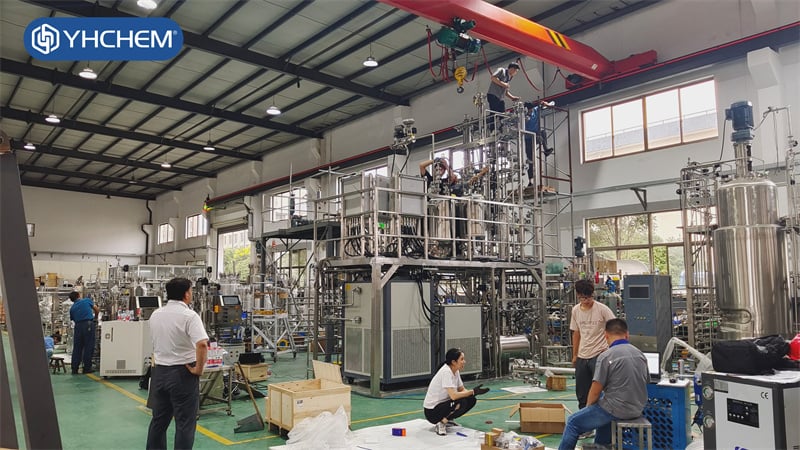
ข้อมูลพื้นฐานของโครงการ:
- แหล่งวัตถุดิบ: ของเสียเหลวที่มีน้ำเป็นส่วนประกอบหลักและมี DMF จากกิจการเภสัชและหนังสังเคราะห์ (มีปริมาณ DMF 15-30%)
- ขนาดการจัดการ: 8,000 ตัน/ปีของของเสียเหลว พร้อมกู้คืน DMF 2,000 ตัน/ปี
- ข้อกำหนดผลิตภัณฑ์: DMF ระดับอุตสาหกรรม (ความบริสทธิ์≥99.9%, ความชื้น <0.05%)
เส้นทางกระบวนการ:
1. การเข้มข้นเบื้องต้น: คอลั่งแบบมีการบรรจุ (ใช้เซรามิกแบบอานม้าเป็นวัสดุบรรจุ)
- เส้นผ่านศูนย์กลางคอลั่ง: DN600, ความสูงชั้นบรรจุ 6 เมตร
- สภาวะการดำเนินงาน: ความดันบรรยากาศ อุณหภูมิด้านบน 65℃ อุณหภูมิด้านล่าง 105℃
- ความเข้มข้นของทางออก: DMF 70-80%
2. การกลั่นเพื่อทำบริสุทธิ์: คอลัมท์แบบถาด (ถาดตะแกรง)
- เส้นผ่านศูนย์กลางคอลัมท์: DN800, 30 จานทฤษฎี
- สภาวะการดำเนินงาน: ความดันลบเล็กๆ (-5kPa), อุณหภูมิด้านบน 48℃
- ความบริสุทธิ์ของผลิตภัณฑ์: DMF 99.92%, ความชื้น 0.03%
3. การถ่ายน้ำลึก: เครื่องระเหยแบบฟิล์มบาง
- ข้อกำหนด: ประเภทฟิล์มขูด มีพื้นที่ระเหย 1.5m²
- สภาวะการดำเนินงาน: 10-50Pa, อุณหภูมิ 80-100℃
- ผลิตภัณฑ์สุดท้าย: DMF 99.95%, ความชื้น <0.01%
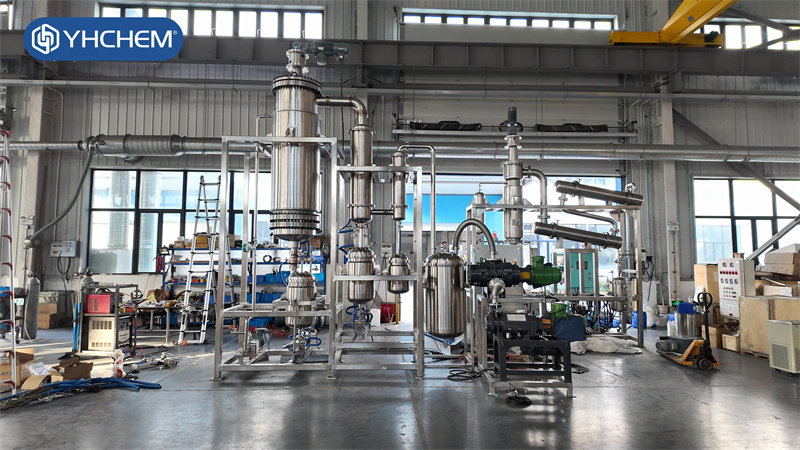
จุดนวัตกรรมทางเทคนิค:
- ใช้การแยกสามขั้นตอน ได้แก่ "คอลัมน์บรรจุสำหรับเข้มข้นเบื้องต้น + คอลัมน์ถาดสำหรับกลั่นใหม่ + การถ่ายเทความชื้นลึกด้วยเครื่องระเหยแบบฟิล์มบาง"
- คอลัมน์เข้มข้นเบื้องต้นใช้เม็ดบรรจุเซรามิกแบบอานม้า ซึ่งทนต่อการกัดกร่อนของ DMF และมีสมรรถนะต้านทานการเกิดคราบหินปูนได้ดี
- เครื่องระเหยแบบฟิล์มบางมีเวลาพำนักสั้น (3-5 วินาที) จึงหลีกเลี่ยงการสลายตัวของ DMF จากอุณหภูมิสูง
ตัวชี้วัดทางเศรษฐกิจและเทคนิค:
- การลงทุนรวม: 6.8 ล้านหยวน
- อัตราการกู้คืน DMF: 92%
- ต้นทุนการดำเนินงาน: 2,800 หยวน/ตันของ DMF (รวมไอน้ำ ไฟฟ้า และแรงงาน)
- ราคาในตลาด: 6,500 หยวน/ตัน
- ระยะเวลาคืนทุน: 2.1 ปี
- IRR: 38%
ข้อมูลพื้นฐานของโครงการ:
- วัตถุดิบ: เรซินอีพอกซีไบฟีนอลเอดิบ (ค่าอีพอกซี 0.50-0.53, สี APHA 150-200)
- ข้อกำหนดผลิตภัณฑ์: เรซินอีพอกซีระดับอิเล็กทรอนิกส์ (ค่าอีพอกซี 0.51±0.01, สี <30, ไอออนโลหะ <5ppm)
- ขนาดการบำบัด: 3,000 ตัน/ปี
ปัญหาทางเทคนิค:
- เรซินอีพอกซีมีความไวต่อความร้อนสูง และมีแนวโน้มเกิดพอลิเมอเรซชันและเปลี่ยนสีที่อุณหภูมิสูงกว่า 180℃
- ความหนืดสูง (ประมาณ 500 มิลลิปาสคาล·วินาที ที่ 150℃)
- มีสิ่งเจือปน เช่น โอลิโกเมอร์ และไบฟีนอลเอที่ไม่ได้ทำปฏิกิริยาหมด
แผนกระบวนการ: การกลั่นโมเลกุลระยะสั้น
พารามิเตอร์ของอุปกรณ์:
- ประเภท: เครื่องกลั่นสั้นทางแบบฟิล์มกวาด
- พื้นที่ระเหย: 0.8ม²
- อุณหภูมิความร้อน: 160-180℃
- ระดับสุญญากาศ: 0.1-1.0Pa (ระบบปั๊มน้ำมันแบบดิฟฟิวชัน)
- ความเร็วของใบกวาด: 150-200rpm
- อุณหภูมิของคอนเดนเซอร์: -10℃ (ตัวทำความเย็นเอทิลีนไกลคอล)
- วัสดุ: สแตนเลสสตีล 316L ขัดผิวเรียบ Ra≤0.4μm
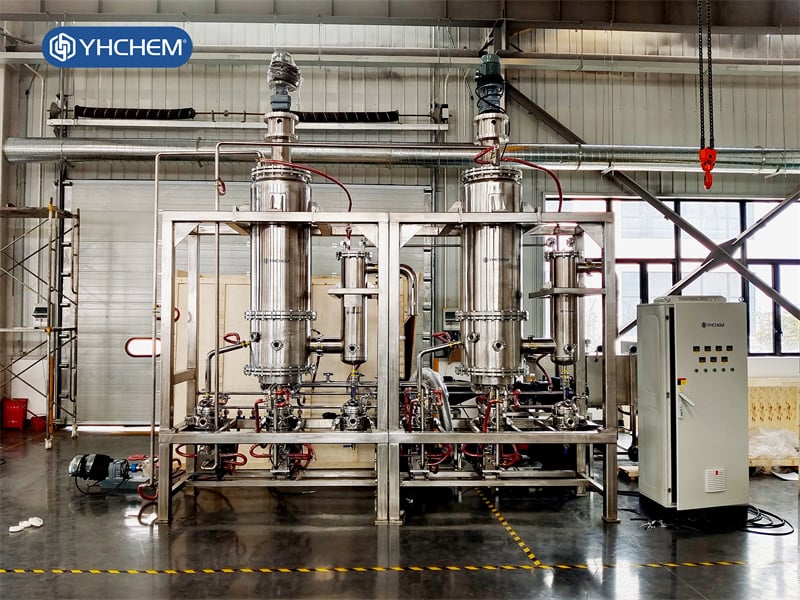
กระบวนการผลิต:
1. การอุ่นล่วงหน้า: ความร้อนของผลิตภัณฑ์ดิบถึง 120℃ เพื่อลดความหนืด
2. การป้อนวัตถุดิบ: ป้อนอย่างต่อเนื่องโดยใช้ปั๊มวัดปริมาตร อัตราการไหล 8-12กิโลกรัม/ชั่วโมง
3. การระเหย: ส่วนเบา (น้ำ โอลิโกเมอร์) จะระเหยเข้าสู่คอนเดนเซอร์
4. การเก็บรวบรวม: ส่วนประกอบที่มีน้ำหนักมาก (ผลิตภัณฑ์) จะถูกปล่อยออกจากด้านล่างของคอลัมน์ และส่วนประกอบที่เบากว่าจะถูกรวบรวมเป็นของเสีย
การเปรียบเทียบคุณภาพผลิตภัณฑ์
|
ตัวชี้วัด |
วัตถุดิบ |
ผลิตภัณฑ์ |
ช่วงการปรับปรุง |
|
ค่าอีพ็อกซี |
0.50-0.53 |
0.51±0.005 |
CV ลดลงจาก 6% เป็น 1% |
|
สี APHA |
150-200 |
<30 |
ลดลง 83% |
|
ค่าความแปรปรวนของความหนืด (Viscosity CV) |
15% |
5% |
ลดลง 67% |
|
ไอออนโลหะ |
15-25 ปีเอ็ม |
<5ppm |
ลดลง 75% |
|
สารตกค้างของไบฟีนอล เอ |
500-800 ปีต่อล้าน |
<50ppm |
ลดลง 93% |
ผลประโยชน์ทางเศรษฐกิจ:
- การลงทุนในอุปกรณ์: 1.8 ล้านหยวน
- ราคาหน่วยผลิตภัณฑ์เพิ่ม: จาก 18,000 หยวน/ตัน ถึง 32,000 หยวน/ตัน
- รายได้จากการขายเพิ่มต่อปี: 42 ล้านหยวน
- ต้นทุนการดำเนินงานต่อปี: 1.8 ล้านหยวน (ค่าไฟฟ้า, สารทำความเย็น, ค่าแรง)
- กำไรสุทธิเพิ่มต่อปี: 36 ล้านหยวน
- ระยะเวลาคืนทุน: 0.5 ปี
ข้อมูลพื้นฐานของโครงการ:
- อุปกรณ์เดิม: คอลัมท่อแบบถาด ขนาดเส้นผ่านศูนย์กลาง DN2000 จำนวน 40 ชั้น ความผ่าน 50 ตัน/ชั่วโมง
- ปัญหาที่มีอยู่ในปัจจุบัน:
- ความตกของความดันสูง (0.8 กิโลปาสกาลต่อชั้น ความตกของความดันทั้งหมด 32 กิโลปาสกาล) การใช้พลังงานสูง
- ประสิทธิภาพการแยกต่ำ ความบริสุทธิ์ของตัวทำละลายที่กู้คืนได้เพียง 98.5% อัตราการสูญเสีย 3%
- ชั้นเรียงมักอุดตัน จำเป็นต้องทำความสะอาด 2-3 ครั้งต่อปี
แผนปรับปรุง: เปลี่ยนเป็นคอลัมจัดเรียงแบบโครงสร้างโลหะ
แผนทางเทคนิค:
- ประเภทของตัวบรรจุ: ตัวบรรจุโครงสร้างลอนโลหะแบบรูเจาะ (ชนิด 250Y)
- ความสูงของชั้นบรรจุ: 12 เมตร (แบ่งเป็น 4 ชั้น แต่ละชั้น 3 เมตร)
- ตัวกระจายของเหลว: ชนิดท่อเจาะรู ความหนาด้านการกระจาย 120 จุด/ม²
- ตัวกระจายซ้ำ: ติดตั้งด้านบนของแต่ละชั้นบรรจุ โดยใช้ชนิดถาดราง
เปรียบเทียกผลการปรับปรุง:
|
ตัวชี้วัด |
ก่อนปรับปรุง (คอลัมจานเดือย) |
หลังปรับปรุง (คอลัมที่บรรจุวัสดุ) |
การปรับปรุง |
|
ความลดทั้งหมดของความดัน (kPa) |
32 |
6.5 |
ลดลง 80% |
|
HETP (ม) |
0.8 |
0.3 |
ลดลง 62% |
|
ความบริสุทธิ์ของตัวทำละลาย (%) |
98.5 |
99.7 |
เพิ่มขึ้น 1.2% |
|
อัตราการสูญเสียตัวทำละลาย (%) |
3.0 |
0.8 |
ลดลง 73% |
|
การใช้ไอน้ำ (ตัน/ชั่วโมง) |
6.5 |
4.2 |
ลดลง 35% |
|
ช่วงเวลาการบำรุงรักษาประจำปี |
2-3 |
<1 |
ลดลง 67% |
การวิเคราะห์ทางเศรษฐกิจ:
- การลงทุนปรับปรุง: 4.2 ล้านหยวน
- การประหยัดไอน้ำต่อปี: 20,000 ตัน (ราคาไอน้ำ 200 หยวน/ตัน)
- การลดการสูญเสียตัวทำละลายต่อปี: 960 ตัน (ราคาตัวทำละลาย 6,000 หยวน/ตัน)
- การประหยัดค่าใช้จ่ายการบำรุงรักษาต่อปี: 800,000 หยวน
- ประโยชน์ทางเศรษฐกิจต่อปี: 9.8 ล้านหยวน
- ระยะเวลาคืนทุน: 5.1 เดือน
จากผลการวิเคราะห์ข้างต้น ขอเสนอกระบวนการตัดสินใจในการเลือกดังนี้:
- ความไวต่อความร้อน: อุณหภูมิการสลายตัว <150℃ → ควรพิจารณาวริยการระเหยแบบฟิล์มบางหรือคอลัมป์แบบบรรจุใต้สุญญากาศเป็นลำดับแรก
- ความหนืด: >100 mPa·s → ควรใช้วริยการระเหยแบบฟิล์มบางหรือคอลัมป์แบบถาด หลีกเลี่ยงคอลัมป์แบบบรรจุทั่วทั่ว
- ความกัดกร่อน: กัดกร่อนสูง → ควรใช้คอลัมป์แบบบรรจุ (วัสดุบรรจุที่ไม่เป็นโลหะ) หรือคอลัมป์แบบถาดที่ทำจากวัสดุพิเศษ
- จำนวนจานทฤษฎี <20 → คอลัมป์แบบถาดหรือคอลัมป์แบบบรรจุแบบสุ่ม
- จำนวนจานทฤษฎี 20-50 → คอลัมป์แบบถาดหรือคอลัมป์แบบบรรจุแบบมีโครงสร้าง
- จำนวนจานทฤษฎี >50 → คอลัมป์แบบบรรจุแบบมีโครงสร้าง
- ระดับสุญญากาศ <10 kPa → คอลัมป์แบบบรรจุ (มีข้อได้เปรียบด้านการลดแรงดันอย่างมีนัยสำคัญ)
- ความดันบรรยากาศหรือการสร้างความดัน → สามารถใช้คอลัมทั้งแบบถาดและแบบบรรจุวัสดุ
- อัตราส่วนของของเหลวต่อแก๊ส <0.5 → คอลัมแบบถาด
- อัตราส่วนของเหลวต่อแก๊ส >2 → คอลัมแบบบรรจุวัสดุ
- เส้นผ่านศูนย์กลางคอลัม <800mm → คอลัมแบบบรรจุวัสดุมีต้นทุนต่ำกว่า
- เส้นผ่านศูนย์กลางคอลัม >800mm → คอลัมแบบถาดมีต้นทุนต่ำกว่า
- ความถี่ในการบำรุงรักษาระดับสูง → คอลัมแบบถาด (ง่ายในการถอดประกอบ)
- ความไวต่อการบริโภ้พลังงาน → คอลัมแบบบรรจุวัสดุหรือเครื่องระเหยแบบฟิล์มบาง
ขั้นตอน 5: การเลือกโดยลำดับความสำคัญสำหรับสถานการณ์พิเศษ
- ระบบที่สามารถเกิดพอลิเมอร์ → หลีกเลี่ยงคอลัมแบบบรรจุวัสดุ เลือกคอลัมแบบถาดหรือเครื่องระเหยแบบฟิล์มบาง
- ระบบโฟม → คอลัมภ์ที่บรรจุวัสดุ (มีผลในการทำลายโฟมอย่างดี)
- ของแข็งในรูปของแข็งแขวนลอย → คอลัมภ์แบบถาด หรือเครื่องระเหยแบบฟิล์มกวาด
- ผลิตภัณฑ์ที่มีความบริสุทธิ์สูงพิเศษ → เครื่องระเหยแบบฟิล์มบาง หรือคอลัมภ์บรรจุวัสดุแบบมีโครงสร้างประสิทธิภาพสูง
เทคโนโลยีการตรวจสอบแบบต่อเนื่อง:
- การตรวจสอบอุณหภูมิแบบเรียลไทม์ในชั้นถาด/ชั้นบรรจุวัสดุ (การวัดอุณหภูมิด้วยไฟเบอร์ออปติก)
- การวิเคราะห์แรงดันตกแบบต่อเนื่องเพื่อแจ้งเตือนการเกิดน้ำท่วม (flooding) และการหยดของเหลว (weeping)
- การวิเคราะห์องค์ประกอบแบบต่อเนื่อง (โครมาโทกราฟีแบบต่อเนื่อง, สเปกโทรสโกปี NIR)
ระบบควบคุมอัจฉริยะ:
- การปรับพารามิเตอร์การดำเนินงานให้เหมาะสมโดยใชอัลกอริทึมการเรียนรู้ของเครื่อง (machine learning)
- ระบบผู้เชี่ยวชนูในการวินิจฉัยข้อผิดพลาด
- เทคโนโลยีดิจิทัลทวินสำหรับการจำลองและเพิ่มประสิทธิภาพกระบวนการ
ตัวบรรจุความจุสูง:
- ตัวบรรจุแบบโครงสร้างรุ่นที่สี่ (HETP 0.1-0.2 เมตร ความจุเพิ่มขึ้น 50%)
- ตัวบรรจุผลิตโดยเครื่องพิมพ์ 3 มิติแบบเฉพาะ (ออกแบบช่องทางการไหลที่ซับซ้อน)
ประเภทใหม่ของถาด:
- ถาดตะแกรงแบบทิศทาง (เพิ่มเวลาการสัมผัสระหว่างก๊าซและของเหลว ประสิทธิภาพเพิ่มขึ้น 15%)
- วาล์วลอยแบบคอมโพสิต (ความยืดหยุ่นในการทำงานขยายเป็น 20-120%)
- การนำเทคโนโลยีปั๊มความร้อน MVR มาใช้อย่างแพร่หลาย: ใช้กันอย่างแพร่หลายในระบบกลั่นที่มีอุณหภูมิแตกต่างต่ำ (<30℃) คาดว่าจะประหยัดพลังงานได้ 50-70%
- การให้ความร้อนด้วยพลังงานแสงอาทิตย์: ใช้ตัวเก็บความร้อนจากแสงอาทิตย์เพื่อจัดหาความร้อนบางส่วนสำหรับกระบวนการกลั่น เหมาะสำหรับภาคตะวันตกเฉียงเหนือและภาคเหนือของจีน
- การใช้ประโยชน์ความร้อนเสียแบบขั้นบันได: การปรับปรุงเครือข่ายไอน้ำหลายระดับความดันเพื่อเพิ่มประสิทธิภาพการกู้คืนความร้อนสูงสุด
เทคโนโลยีไร้การปล่อยมลพิษ:
- การควบแน่นกู้คืนสาร VOCs + การดูดซับเพื่อความเข้มข้น เพื่อให้การปล่อยก๊าซเสียมีมาตรฐานตามที่กำหนด
- การระเหยและตกผลึกของน้ำเสียที่มีความเค็มสูง เพื่อให้บรรลุการไม่ปล่อยน้ำเสียออกสู่สิ่งแวดล้อม
การทำให้เป็นโมดูลแบบติดตั้งบนแท่นเคลื่อนย้ายได้ (Skid-mounted):
- อุปกรณ์กลั่นขนาดเล็กลงและเป็นโมดูลาร์ (ปริมาณการผลิต <10 ตัน/วัน)
- ติดตั้งอย่างรวดเร็ว (ระยะเวลาจัดส่ง <3 เดือน) เหมาะสำหรับการผลิตเคมีภัณฑ์เฉพาะทางที่หลากหลายชนิดและปริมาณน้อย
1. คอลัมน์แบบถาดเหมาะสมกับสถานการณ์ที่มีอัตราส่วนของของเหลวต่อแก๊สสูง ความยืดหยุ่นในการดำเนินงานสูง และต้องบำรุงรักษาระยะสั้น และมีข้อได้เปรียบทางเศรษฐกิจอย่างชัดเจนเมื่อเส้นผ่านศูนย์กลางคอลัมน์ >800 มม.
2. คอลัมน์แบบเรียงบรรจุทำงานได้อย่างยอดเยี่ยมในกระบวนการกลั่นสุญญากาศ วัสดุไวต่อความร้อน และการแยกสารประสิทธิภาพสูง โดยมีประสิทธิภาพการแยกและการควบคุมการใช้พลังงานที่ดีกว่าคอลัมน์แบบถาดอย่างมาก
3. เครื่องระเหยฟิล์มบางเป็นทางเลือกที่ดีที่สุดสำหรับการจัดการวัสดุที่มีความหนืดสูง ไวต่อความร้อน และมีมูลค่าเพิ่มสูง แม้การลงทุนจะสูง แต่คุณภาพของผลิตภัณฑ์จะดีขึ้นอย่างชัดเจน
4. กระบวนการรวม (เช่น การระเหย + การกลั่น, การแยกเบื้องต้น + การกลั่น) สามารถถ่วงดุลระหว่างผลของการแยกและเศรษฐกิจได้ และเป็นทิศทางหลักของการปฏิบัติทางวิศวกรรม
ขั้นตอนการออกแบบ:
- ทำการทดสอบสมบัติของวัสดุอย่างละเอียด (ความหนืด ความคงตัวทางความร้อน ข้อมูลสมดุลเฟส)
- ใช้ซอฟต์แวร์จำลองกระบวนการระดับมืออาชีพ (Aspen Plus, HYSYS) เพื่อการปรับแต่งกระบวนการ
- สำรองระยะห่างในการออกแบบไว้ 10-15% เพื่อรับมือกับความผันผวนของวัสดุ
การจัดซื้ออุปกรณ์:
- ให้ความสำคัญกับผู้จัดจำหน่ายที่มีความชำนาญ และตรวจสอบศักยภาพรวมถึงบริการหลังการขาย
- เลือกแบรนด์ชั้นนำจากต่างประเทศหรือในประเทศสำหรับชิ้นส่วนสำคัญ (เช่น ตัวกระจายสารและชิ้นส่วนบรรจุ)
- ลงนามในข้อกำหนดรับประกันประสิทธิภาพ เพื่อกำหนดชี้วัดที่ชัดเจน เช่น ประสิทธิภาพการแยกสารและการบริโภคพลังงาน
การก่อสร้างและติดตั้ง:
- ควบคุมระดับความเรียบของตัวกระจายของเหลวในคอลัมน์แบบบรรจุให้อยู่ในช่วง ±2 มม./ม.
- ตรวจสอบระดับความเรียบและระยะห่างของแต่ละชั้นถาดหลังการติดตั้งคอลัมน์แบบถาด
- ดำเนินการตรวจสอบการรั่วซึมของระบบสุญญากาศอย่างเข้มงวด โดยค่าความสูญญากาศเบี่ยงเบนไม่เกิน 10%
การติดตั้งและดำเนินการ:
- จัดทำแผนการเริ่มต้นปฏิบัติงานอย่างละเอียด และดำเนินการทีละขั้นตอน (ตรวจสอบระบบ → ล้างและแทนที่ก๊าซ → ทดสอบเดินเครื่องด้วยน้ำ → เริ่มป้อนวัตถุดิบ)
- จัดตั้งฐานข้อมูลพารามิเตอร์การดำเนินงาน และบันทึกช่วงการดำเนินงานที่เหมาะสมที่สุด
- ดำเนินการตรวจสอบอุปกรณ์เป็นประจำ และจัดตั้งระบบการบำรุงรักษา
ระดับองค์กร:
- ร่วมมือกับมหาวิทยาลัยและสถาบันวิจัย เพื่อพัฒนาแผ่นกรอก (packing) และแทรย์ประเภทใหม่
- นำเทคโนโลยีการจำลอง CFD มาใช้ เพื่อเพิ่มประสิทธิภาพการกระจายสนามไหลภายในคอลัมน์
- จัดตั้งแพลตฟอร์มต้นแบบเพื่อตรวจสอบกระบวนการและเทคโนโลยีใหม่
ระดับอุตสาหกรรม:
- จัดทำมาตรฐานและข้อกำหนดทางเทคนิคสำหรับการกลั่นวัสดุที่ไม่ใช่น้ำมัน
- สร้างแพลตฟอร์มการแลกเปลี่ยนทางด้านเทคนิคเพื่อส่งเสริมการแบ่งปันประสบการณ์
- ส่งเสริมการประยุกต์ใช้การผลิตอัจฉริยะและการผลิตสีเขียวอย่างลึกซึ้งในสาขาการกลั่น
ผ่านการคัดเลือกอย่างเป็นวิทยาศาสตร์ การออกแบบอย่างประณีต การก่อสร้างอย่างเข้มงวด และการดำเนินงานที่ได้รับการปรับปรุง ระบบแยกการกลั่นสำหรับวัสดุปิโตรเคมีที่ไม่ใช่น้ำมันสามารถบรรลุเป้าหมายการผลิตที่มีประสิทธิภาพ ประหยัดพลังงาน เป็นมิตรต่อสิ่งแวดล้อม และคุ้มค่าทางเศรษฐกิจ สร้างประโยชน์ทางเศรษฐกิจและสังคมอย่างมากให้กับองค์กร

 EN
EN
 AR
AR
 BG
BG HR
HR
 DA
DA
 NL
NL
 FI
FI FR
FR
 DE
DE EL
EL
 HI
HI
 IT
IT JA
JA
 KO
KO
 NO
NO PL
PL PT
PT RO
RO
 RU
RU
 ES
ES
 SV
SV
 TL
TL
 ID
ID
 SR
SR
 UK
UK HU
HU
 TH
TH
 TR
TR
 GA
GA
 BE
BE
 BN
BN


