
 EN
EN
 AR
AR
 BG
BG
 HR
HR
 DA
DA
 NL
NL
 FI
FI
 FR
FR
 DE
DE
 EL
EL
 HI
HI
 IT
IT
 JA
JA
 KO
KO
 NO
NO
 PL
PL
 PT
PT
 RO
RO
 RU
RU
 ES
ES
 SV
SV
 TL
TL
 ID
ID
 SR
SR
 UK
UK
 HU
HU
 TH
TH
 TR
TR
 GA
GA
 BE
BE
 BN
BN
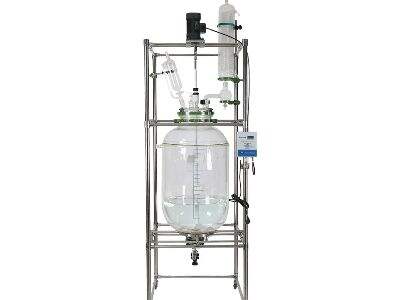
As one chooses a stir tank reactor, there are a number of crucial factors that are to be put into consideration in order to achieve the best performance in the process. A stir tank reactor (STR) is a multifunctional vessel, which is used in industrial processes as a container where liquids, gases, and solids are stirred in order to induce chemical reactions, enhance mass transfer, and ensure both consistent conditions of the process. The selection of the right reactor is a critical step towards getting increased yields, steady product production and production scaled. Several designs of the reactors are customized to a given use, and the choice between them should strictly consider material used in constructing, size and shape of a vessel, type of agitator and operational settings like temperature and pressure limits. YHCHEM has offered a wide range of stir tank reactors, which are designed to suit all the industrial requirements and would fit in every individual processing operation.
Key Material Considerations for Reactor Construction
One of the basic factors that determine the functionality, life and security of reactors is the material of the construction. The current state of the industry is still stainless steel mainly 304 and 316L, as it is well corrosion resistant, strong mechanically and capable of withstanding high temperatures and pressures. In processes using highly reactive media, e.g. concentrated acids or halides, more modern alloys, such as Hastelloy, Monel or titanium exhibit better chemical inertness. Glass lined steel reactors are a perfect application when it comes to high levels of corrosion resistance and substantial levels of metal contamination must be avoided. Operation of abrasive slurries or solid suspension requires a wear-resistant coating or hardened material to reduce erosion and increase life cycle of equipment. Another important criterion is thermo stability of the materials; the materials should not break or facilitate the undesired side reactions in the operating conditions. YHCHEM is using a broad range of competent materials and is using the highest sophistication method of fabrication in order to produce the reactors that fulfill high demand of any project whether it is pharmaceutical or high volume chemicals. Moreover, such design factors as wall thickness are also closely calculated to address the pressure vessel requirements with the trade off between strength, weight, and thermal conductivity.
Sourcing High-Performance Stirred Tank Reactors
YHCHEM is a special company in terms of precision engineering and custom fabrication, which offers organizations the opportunity to have a reliable and high performance stir tank reactor. YHCHEM specializes in the construction of combined reactor systems which is a long term investment in the reliability of operation and product quality. YHCHEM focuses on custom-made solutions to particular processes unlike other suppliers who provide mostly standardized and mass-produced equipment. High-integrity materials like polished stainless steel or glass are used in all of the systems to eliminate the use of plastic components that can weaken the systems in harsh chemical conditions. Proper engineering and choice of materials are essential principles underlying this type of business in order to have an efficient, safe, and reproducible result in the production using stir tank reactors.
Trends Shaping the Future of Stirred Tank Reactor Technology
Digitalization, automation, and material science innovations are the forces shaping the development of stir tank reactor technology. The main change is the borderline move into fully enclosed, automated and remotely supervised systems to improve the safety of operators, and to provide consistency in processes and manipulates sensitive or hazardous materials. The contemporary reactor design is more frequently incorporating advanced Process Analytical Technology (PAT) to provide almost real time measurements of key parameters, the use of high-purity and non-contaminating materials such as specialized stainless steels and glass, and agitator designs to support complex multiphase reactions. Precisely, these improvements are really effective in highly regulated sectors like biopharmaceuticals, fine chemicals, and high material synthesis where accuracy, purity, and information quality are major concerns.
Addressing Common Operational Challenges
Although very effective, stir-type tank reactors may pose some difficulties in its operation. Poor mixing could cause concentration or temperature gradient and will cause a variation in the quality of the products or the rate of reaction. They can be countermeasured by maximising the agitator speed, settling on a better kind of impeller or adding baffles to alter flow patterns. As well, an accurate control of temperature is critical, exothermic or endothermic reactions may jeopardize both safety and yield, and the use of effective jacketing or internal coils, as well as responding control loops, is crucial. Problems like material fouling, solids settling or adhering to the walls demand special attention to the choice of reactor finish, geometry, and mechanical clean end in a few situations. Most importantly, there is process safety. Strong safety precautions such as pressure relief mechanisms, emergency cooling and leak detection are not at the negotiation table. With the proactive identification of such possible challenges and incorporation of custom-designed engineering strategies, the efficiency and safety of the stir tank reactors can achieve the maximum performance of providing high-quality products.