
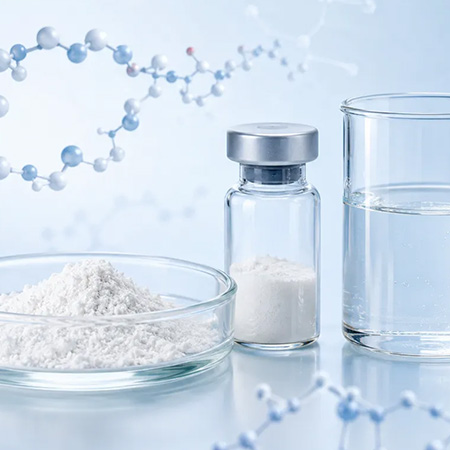
In recent years, the development and industrialization of peptide drugs, functional peptides, cosmetic active peptides, and peptide intermediates have accelerated significantly. Compared with conventional small molecules, peptides generally have more...
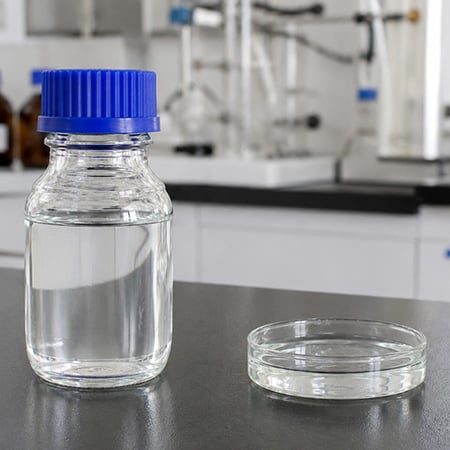
1. Overview of Acrylic Acid Acrylic acid (AA) is an important unsaturated organic acid and a fundamental chemical monomer. Its molecular structure contains both a carboxyl group and a carbon-carbon double bond, giving it high chemical reactivity. It ...
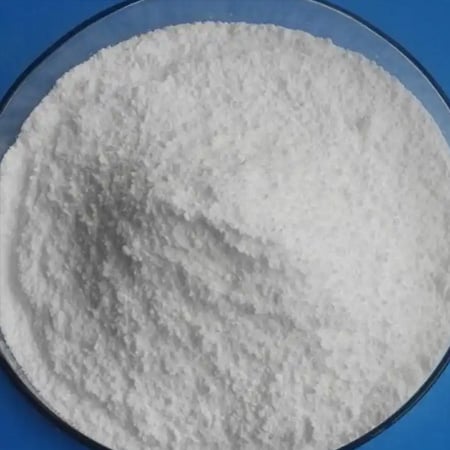
1. Product Overview of Hydroquinone Hydroquinone serves as a core raw material for high-value wet electronic chemicals, photoresin resins, pharmaceutical intermediates and photosensitive developing materials. It is industrially produced via the pheno...
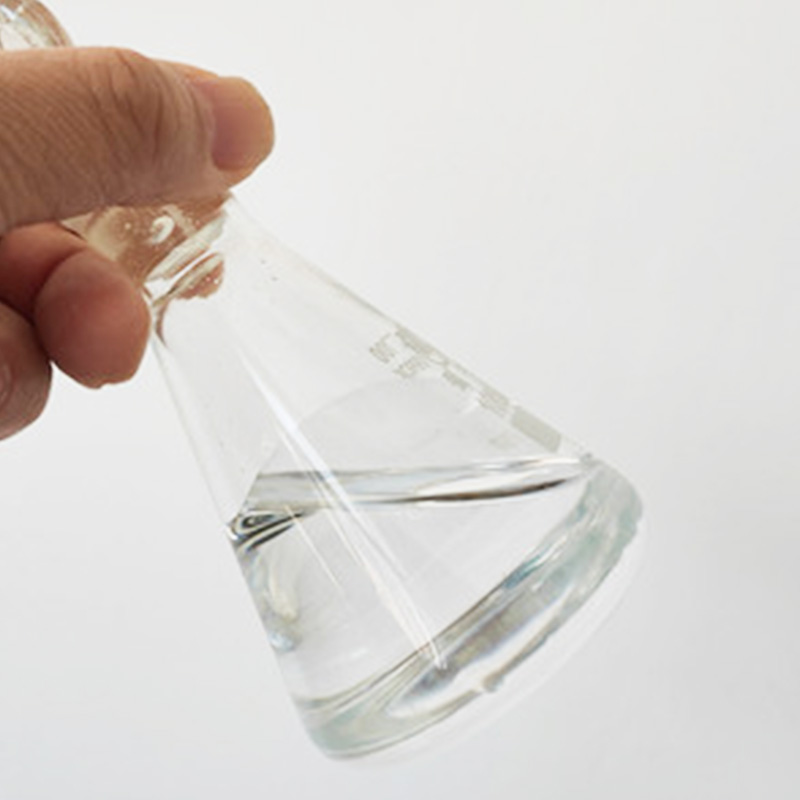
1. Introduction to Silicone Oil Silicone oil refers to liquid polyorganosiloxanes with Si-O-Si as the main chain. Dimethyl silicone oil is the most common type. It is colorless and transparent, physiologically inert, resistant to high and low tempera...

Basic Introduction to Triethanolamine (TEA/TEOA) Triethanolamine is a colorless to pale yellow viscous organic amine compound with weak alkalinity, strong hygroscopicity, and good solubility in water and organic solvents. As a chemical intermediate, ...

Chapter 1: Background and Requirements 1.1 Introduction to Phenolic Resin Phenolic Resin, scientifically known as phenol-formaldehyde resin, is one of the earliest industrialized synthetic resins in the world, formed by polycondensation of phenolic c...

Fluorenyl boronate esters and their derivatives are important intermediates for optoelectronic materials, widely used in fields such as OLEDs and OFETs. They are also employed as responsive boron-based biomaterials in biopharmaceutical applications, ...

The client requires an annual production capacity of 100,000 tons of water-based polyurethane (PU). Currently, the desolventizing process is time-consuming and costly, prompting the development of a new desolventizing technique. This multi-stage stai...

YHCHEM Solvent Recovery Solution solution The solvent recovery system significantly enhances resource recycling efficiency through advanced separation technologies, reducing environmental pollution while decreasing the demand for new solvents and cu...

Lactic acid, scientifically known as α-hydroxypropionic acid, is widely found in nature and has a wide range of applications in industries such as food, medicine, cosmetics, environmental protection, agriculture , chemicals, electronics, and bi...

 EN
EN
 AR
AR
 BG
BG
 HR
HR
 DA
DA
 NL
NL
 FI
FI
 FR
FR
 DE
DE
 EL
EL
 HI
HI
 IT
IT
 JA
JA
 KO
KO
 NO
NO
 PL
PL
 PT
PT
 RO
RO
 RU
RU
 ES
ES
 SV
SV
 TL
TL
 ID
ID
 SR
SR
 UK
UK
 HU
HU
 TH
TH
 TR
TR
 GA
GA
 BE
BE
 BN
BN